Explainers that answer one question
An explainer video answers one question a buyer or a colleague keeps asking, in two minutes landscape or 30 seconds vertical. A software company should use one when the same explanation is typed into emails, calls and tickets every week: why something matters, how two options differ, what a term means in practice. It explains the idea; it does not show the product doing it.
When to use it
| Who | The situation | Why this style fits |
|---|---|---|
| Account executive | After a first call, the buyer's team asks how your approach differs from the one they use today. | A two-minute explainer in the follow-up answers the question the same way every time, and the champion can forward it inside the buying group. |
| Support lead | Tickets keep arriving about a concept rather than a bug: why a setting exists, or what two similar options do. | A conceptual answer stays true across releases for longer than a click-by-click guide, so linking it from a reply macro does not create an upkeep job. |
| Content marketer | A resource article answers a question buyers search for, but the page has no video. | A short explainer on the same question gives the page a video that opens with the same answer as the article, in the same words. |
| Partner manager | A new reseller has to explain why the category matters before it can sell any product in it. | Partners can play it in their own meetings without rehearsing your pitch, and it can carry captions in their customers' language. |
| Newsletter editor | Needs a monthly piece that teaches something instead of announcing something. | An explainer gives subscribers who are not evaluating anything right now a reason to open the issue. |
Examples
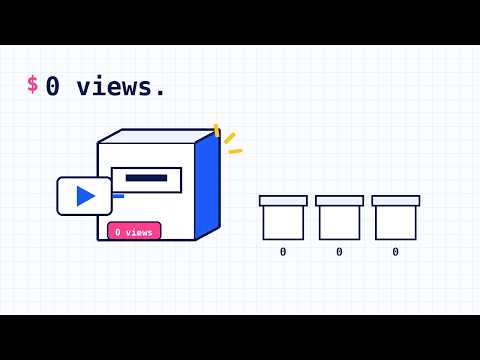 2:01
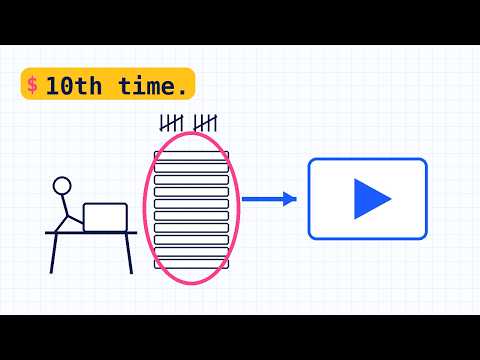 2:00
 1:01
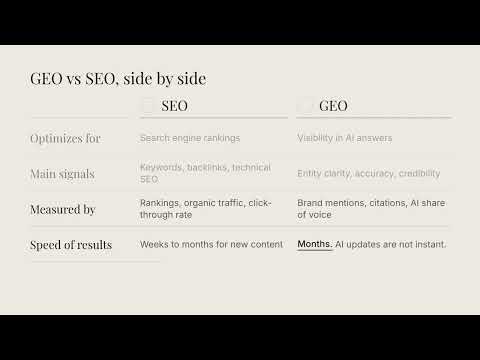 1:16
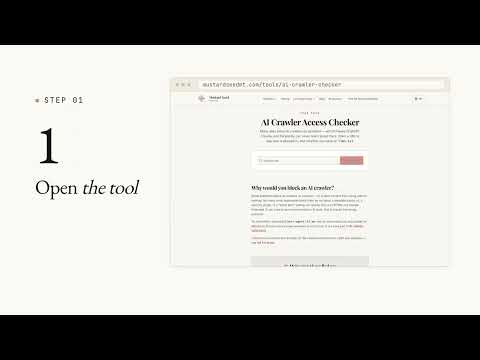 1:01
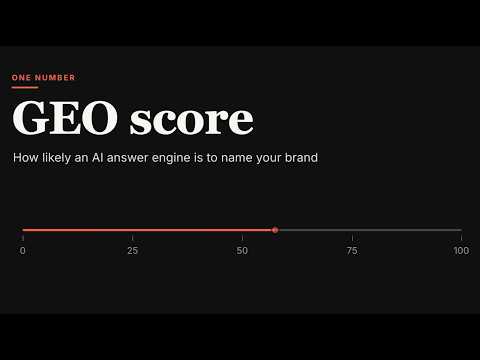 1:16
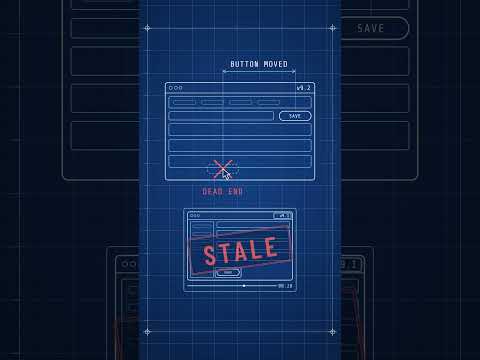 0:30
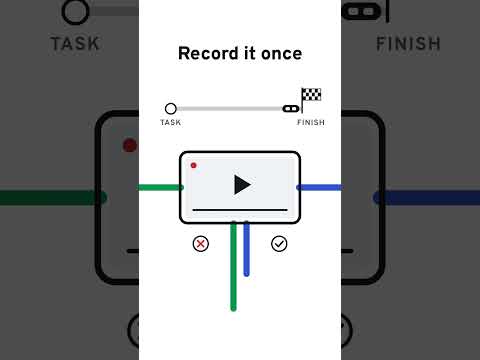 0:30
 0:30
 0:30
 0:30
 0:30
 0:30
 0:30
 0:30
 0:30
 0:30
 0:30
 0:30
 1:15
When to use something else
- Proving a feature works. An explainer describes; when the viewer needs to see the task finish on the real product, a verified walkthrough is the better choice.
- Setup steps a user will follow along with. A short course series keeps one step per episode.
- A question that needs commands, versions and edge cases. That is a technical deep dive.
What goes into one
- About two minutes in landscape for a page or a follow-up email, or about 30 seconds vertical for social.
- From you: the question, the answer your team gives today, and the objection or confusion behind it.
- Designed visuals: diagrams, type and motion graphics, not footage of the product.
- Narration and captions in the languages you ask for.
- One closing line that points to a next step: a page, a sample or a call.
How we make it
- Send the question in one sentence and whatever your team already uses to answer it.
- We write a script that answers it in the first line, then explains why, then names the limit.
- You check the script for accuracy; we produce the video in landscape, vertical or both.
- The finished MP4 arrives within two days, with narration and captions.
Questions
How long should an explainer video be?
Long enough to answer one question and name its limit. For a page or a sales follow-up that is usually around two minutes; for LinkedIn or Shorts, around 30 seconds with a single point. If the script has to answer three questions, make three videos. A viewer who wanted one answer should not have to sit through the other two.
What is the difference between an explainer and a product demo?
An explainer explains an idea with designed visuals; a product demo shows the software doing something. An explainer can be accurate and still prove nothing about the product, because nothing in it ran. Use an explainer for why and what, and a recorded demo for whether it works. Our comparison of the two goes further.
Are explainer videos still worth making for B2B software?
They are worth making when the question is real and recurring: asked on calls, in tickets or in search. They are not worth making as a generic brand piece nobody asked for. We cannot quote results, because any2.video launched in September 2026 and has no long-run data. The useful test is whether your team would send it this week.
Related styles
- Definition shorts: one term, 30 seconds: Defining one term or category
- Incident stories that teach the fix: Selling prevention through a familiar failure
- Technical deep dives for engineers: Engineers evaluating, upgrading or troubleshooting
- All 99 video examples by style
Want this style for your product? Send one product and one topic. The first sample is free.
$ get-sample →