Definition shorts: one term, 30 seconds
A definition short answers one 'what is' question in about 30 seconds, vertically, and is often made in the style it describes. A tech company should use one when buyers search a term before they search a vendor: a category name, an acronym in the pitch, or a format the team keeps explaining. One term per short, one sentence of answer, one limit stated.
When to use it
| Who | The situation | Why this style fits |
|---|---|---|
| Product marketing at a new-category vendor | The category name is newer than the product, and prospects ask what it means on every first call. | A 30-second answer can go out before the call, so the call starts at the product instead of the vocabulary. |
| Content or SEO lead | Building a glossary of the terms the company wants search and answer engines to quote it on. | Each short pairs with one glossary entry, gives that page a video, and opens with the same one-sentence definition the page does. |
| Social media manager | Needs a weekly LinkedIn or Shorts slot that does not depend on a launch or a release. | A run of terms lasts for months, each piece stands alone, and none of it goes out of date when the product changes. |
| Sales engineer | A non-technical member of the buying group asks what an acronym in the proposal means. | A short definition answers the question without a meeting and without a slide deck the stakeholder will not open. |
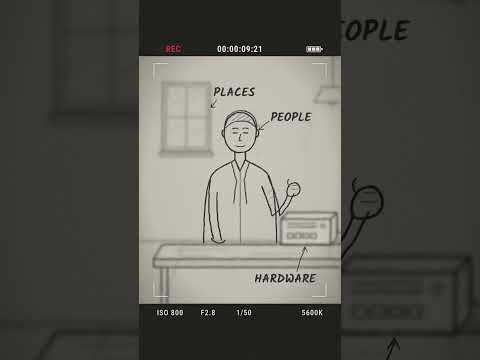
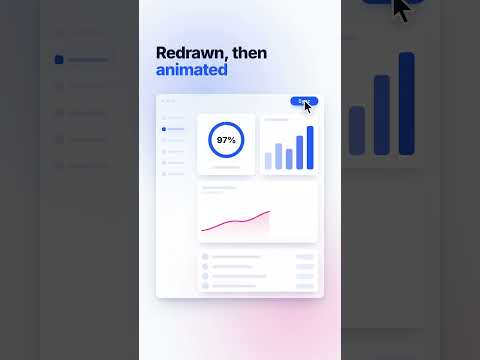
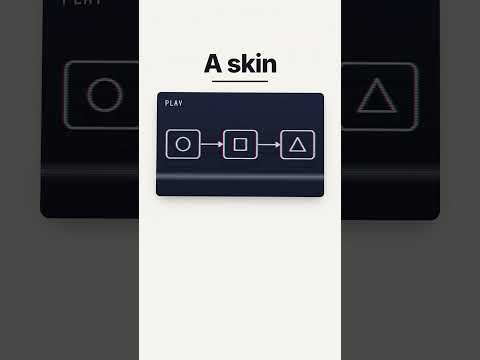
| Marketing team choosing a format | Deciding between whiteboard, isometric, kinetic type or screen recording for a launch video. | A set of shorts, each made in the style it names, lets the team see the styles side by side before committing to one. |
Examples
 0:30
 0:30
 0:30
 0:30
 0:30
 0:30
 0:30
 0:30
 0:30
 0:30
 0:30
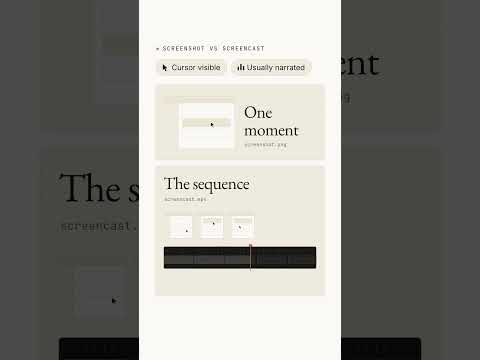 0:30
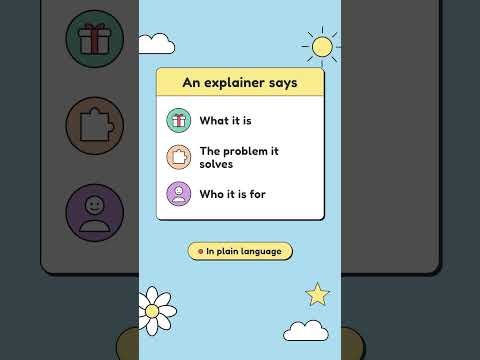 0:30
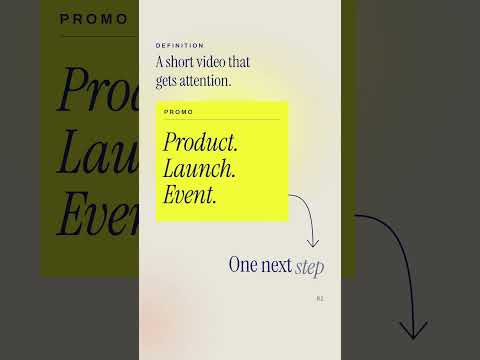 0:30
 0:30
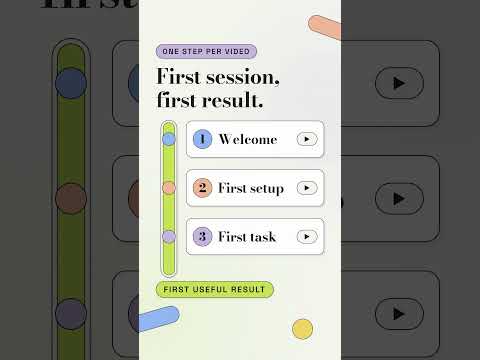 0:30
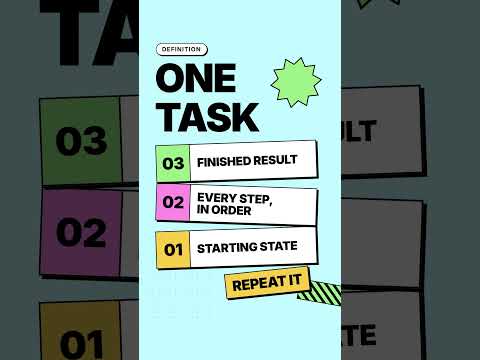 0:30
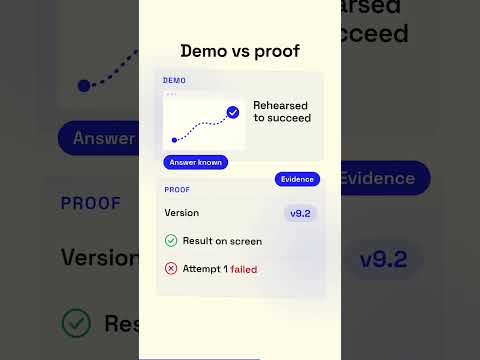 0:30
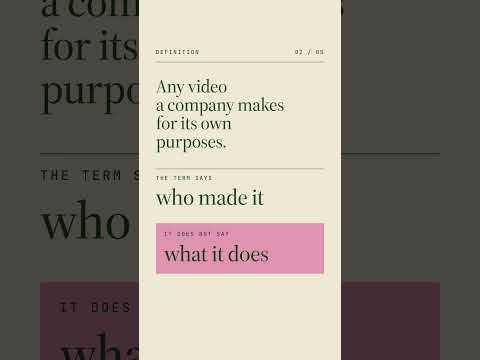 0:30
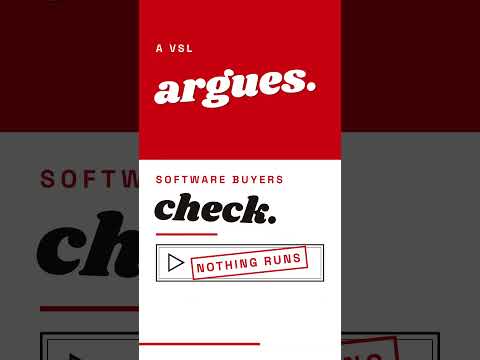 0:30
When to use something else
- Showing how a feature works. Thirty seconds is enough to define, not to demonstrate; when the viewer needs to see the task done on the real product, a verified walkthrough is the better choice.
- Terms that need a caveat longer than the definition, such as a standard with exceptions. Use an explainer with room for the limits.
- Your own product name. A definition of a brand is a promo in disguise; a promo video is the honest version.
What goes into one
- About 30 seconds, vertical 9:16 first, with a landscape cut on request.
- From you: the term, the one-sentence definition your team agrees with, and the common confusion you want named.
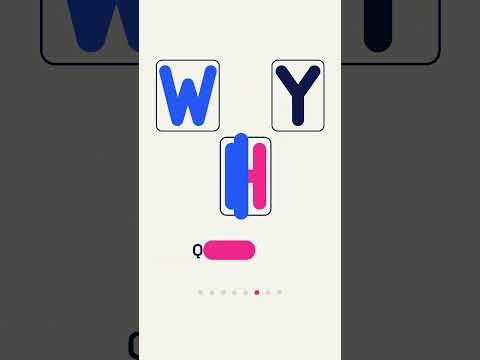
- A visual style chosen per term: kinetic type, whiteboard, isometric, motion graphics, terminal or another.
- Captions burned in, so the short works with the sound off; narration optional.
- Captions and narration in the languages you ask for: English and Chinese in house, German, Japanese and Spanish on request.
How we make it
- Send the list of terms and the definition sentence your team uses for each.
- We write one script per short: the definition, one example of the term in use, one limit and a closing line.
- You approve the scripts; we pick a style per term and produce the shorts.
- Each short arrives as an MP4 with captions, a title and a description ready to post.
Questions
How long should a definition video be?
Thirty seconds is enough for one term: a sentence of definition, one example of it in use, and one limit or common confusion. Past about a minute it stops being a definition and becomes an explainer, and it should be planned as one, with a structure and a next step of its own.
Do 'what is' videos work for B2B tech companies?
They suit B2B when a buyer's first search is a term rather than a vendor, which happens in new categories and acronym-heavy markets. We cannot promise reach or leads from them, because we have no long-run performance data. What they do reliably is give a glossary page a video and give a sales team something short to send.
Which video style is best for explaining a technical term?
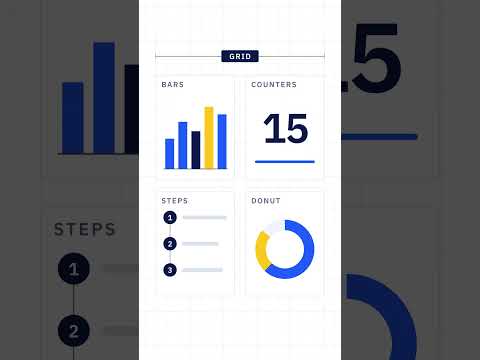
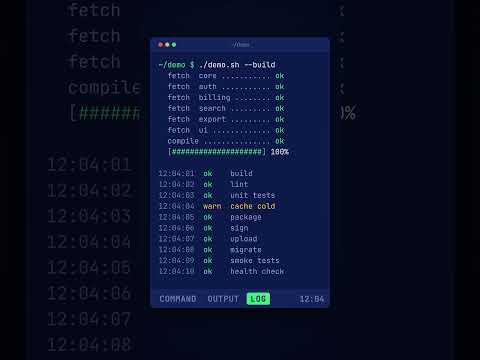
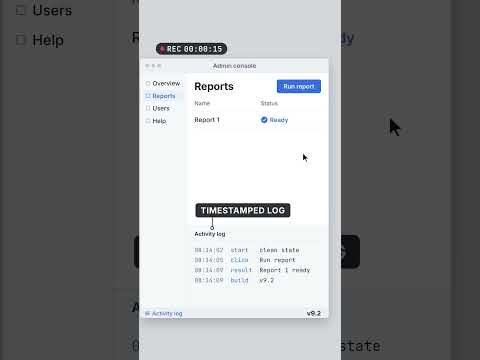
The one that matches what the term describes. A process suits whiteboard or infographic, an architecture suits isometric, a command-line idea suits a terminal style, and an abstract idea often works as kinetic type, where the words are the picture. Screen recording is the only style that shows a real product, so save it for terms that are features.
Related styles
- Explainers that answer one question: Answering one recurring buyer question
- Data chart shorts in one minute: One sourced market number worth posting
- Course series, one topic per episode: Teaching a process in ordered steps
- All 99 video examples by style
Want this style for your product? Send one product and one topic. The first sample is free.
$ get-sample →