
What Is Video SEO? Meaning, What Search Engines Need, and How AI Search Cites Video
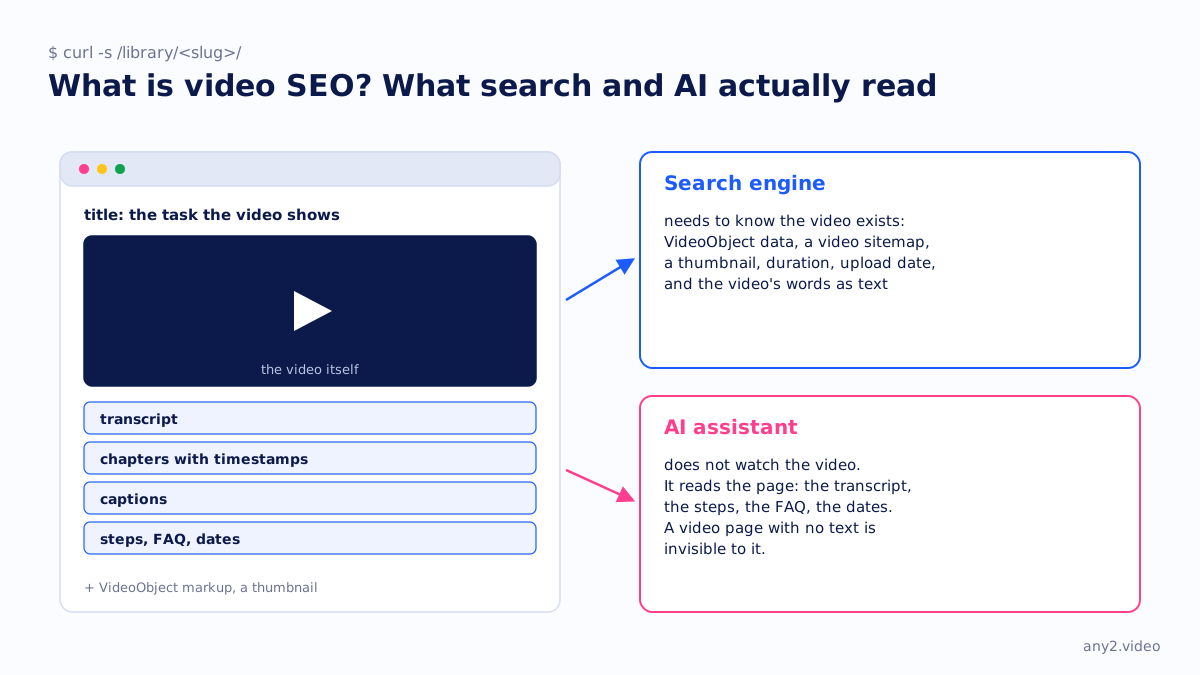
Video SEO is the work of making a video discoverable through search engines and AI assistants: hosting it on a page that explains it, telling search engines it is there through structured data and a video sitemap, and putting the words of the video on the page as a transcript, chapters and captions so the content can be indexed and quoted.
What a search engine needs to index a video
- A page where the video is the main content, with a title and text that say what it shows.
- A way to know the video exists: VideoObject structured data on the page, a video sitemap, or both.
- A thumbnail it can fetch, a duration, an upload date and a description.
- The video's words as text: a transcript, chapters with timestamps, captions.
- The video itself reachable, whether self-hosted or embedded from a platform.
This site does all five on every library item, and the build generates the video sitemap and the structured data from the same content file, so they cannot disagree. The Proxmox VE 9.2 install page is the pattern: title as the task, run log with timestamps, guide, troubleshooting, VideoObject and HowTo markup.
Video SEO on YouTube versus on your site
A video on YouTube ranks inside YouTube and in Google's video results, and the traffic goes to YouTube. A video on your own page can rank the page, which is where the form is. The two are not in competition: embed the YouTube video on a page that carries the transcript and the markup, and point the YouTube description at that page. Our comparison of B2B video hosting covers the platforms.
How AI assistants cite video
Assistants do not watch video. They read the page: the transcript, the steps, the FAQ, the dates. A video page with no text is invisible to them, and a page with a full transcript and question-shaped headings can be quoted whole. The same is true of the file at llms.txt, which lists the pages an assistant should read first. What a verified walkthrough proves explains why versioned, dated task pages are the kind of source assistants prefer.
What does not work
- A page that is only an embed. Nothing to index.
- Keywords in the file name and nowhere else.
- Auto-captions left unchecked, which teach the index the wrong product terms. See closed captions vs subtitles.
- One video embedded on many pages, which leaves the engine unsure which page to rank.
Questions
What does video SEO mean?
Making a video findable in search engines and AI assistants: a page for it, structured data and a sitemap so it is known to exist, and its words on the page as transcript, chapters and captions.
Does video help SEO?
A video on its own does not. A page that hosts the video with a transcript, structured data and text that answers the search can rank, and the video makes it a better answer.
Should I host video on YouTube or my own site for SEO?
Both, deliberately: embed the YouTube video on your page, give the page the transcript and markup, and point the YouTube description at the page. YouTube ranks the video; your page ranks the answer.
How do AI assistants find videos?
Through the text on the page: the transcript, the steps, the dates and the structured data. They do not watch the video, so a page with no text around the video is invisible to them.
See one, with its run log and the attempts that failed.
$ cd /library →